Yes, a sink drain is considered a fundamental part of a plumbing system. It plays a direct role in carrying wastewater away from the sink to the main drainage system of a home. For homeowners, especially those in older properties or homes with complex pipe layouts, understanding how sink drains function within the overall plumbing framework is crucial. When a sink drain is neglected or misunderstood, it can lead to recurring clogs, slow drainage, or even water damage.
Many homeowners overlook the importance of their sink drain until an issue arises. But like any other plumbing component, the sink drain connects to broader systems beneath the surface. Knowing where it fits in—and why it matters—can help you take better care of your home’s plumbing infrastructure.

Understanding the Basics of Plumbing Systems
What Constitutes a Plumbing System?
A typical residential plumbing system includes all the fixtures, pipes, valves, drains, and appliances responsible for supplying clean water and removing wastewater. It comprises two primary subsystems: the supply side, which brings in fresh water, and the drainage side, which carries wastewater away safely and efficiently.Common Components Found in Residential Plumbing
- Water supply lines
- Drainage pipes and traps
- Fixtures such as sinks, tubs, and toilets
- Shutoff valves
- Vents and cleanouts
What Is a Sink Drain and How Does It Work?
Anatomy of a Sink Drain
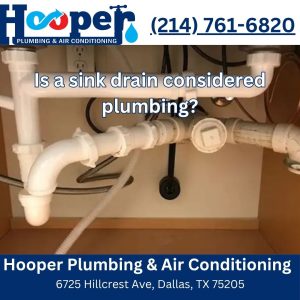
A sink drain consists of several parts: the strainer (or stopper), tailpiece, P-trap, and connecting pipes leading into the wall or floor. The strainer allows water to enter while preventing large debris from entering the pipes. The tailpiece connects the strainer to the trap. The P-trap holds a small amount of water to block sewer gases from backing into the home. From there, the wastewater continues through the branch drains and eventually into the main drain line.Role of the Sink Drain in Wastewater Management
The sink drain’s role is straightforward but vital. It allows used water from cleaning, cooking, or washing to exit the sink basin and enter the waste system efficiently. A properly functioning drain system prevents backflow, odors, and other hazards, ensuring hygienic conditions within the home.Is a Sink Drain Legally and Functionally Considered Plumbing?
Plumbing Code Definitions and Standards
Under most municipal plumbing codes, including standards observed in Texas, any system that conveys water supply or wastewater is classified as plumbing. That includes the sink drain and all of its components. Licensed plumbers are required to follow these codes when installing or repairing sink drains, which further affirms their classification as plumbing components.Professional Plumbing Perspectives
From a plumber’s point of view, a sink drain is as essential to the system as the pipes behind the walls. Issues like slow drains or P-trap leaks often require knowledge of code-compliant installation and understanding of how different plumbing fixtures interact. Whether it’s kitchen or bathroom, the sink drain is routinely serviced and maintained by plumbing professionals.Why Sink Drains Are Important in Plumbing Maintenance
Common Issues Related to Sink Drains
| Sink Drain Issue | Impact on Plumbing System |
|---|---|
| Clogs and blockages | Slows drainage and increases pipe pressure |
| Leaks and corrosion | Can cause water damage and mold under sinks |
| Improper venting | Leads to gurgling noises and slow drainage |
| Cracked or broken traps | Releases sewer gas into the home |
| Loose fittings or seal failure | Results in pooling water and moisture damage |
Clogs and Blockages
Hair, grease, soap residue, and food particles are frequent culprits behind clogged sink drains. Over time, these materials restrict water flow and can cause backups that affect other parts of the system.Leaks and Corrosion
Leaks under the sink often stem from deteriorating joints, corroded fittings, or a compromised P-trap. Even small drips can damage cabinets, promote mold, or rot the floorboards beneath.Improper Venting and Traps
Venting allows air into the plumbing system to maintain pressure and ensure smooth drainage. Without proper venting, drains gurgle and empty slowly. The P-trap must also function correctly to prevent sewer gases from entering the home.Prevention and Maintenance Tips
- Use a drain screen to catch debris before it enters the pipe
- Avoid pouring grease or oils down the drain
- Flush the drain periodically with hot water and baking soda
- Check for leaks or loose fittings monthly
- Have your plumbing inspected annually by a professional
When to Call a Plumber for Sink Drain Problems
DIY Fixes vs. Professional Help
While some minor clogs can be cleared with a plunger or non-corrosive cleaner, repeated problems often indicate deeper issues. Persistent odors, gurgling sounds, or water pooling beneath the sink usually require a plumber’s expertise.Signs Your Sink Drain Issue Is Part of a Bigger Problem
If multiple drains are slow at the same time or if you hear bubbling in other fixtures when using the sink, the problem could extend beyond the local drain. These are signs of possible main line issues, which require immediate attention.