

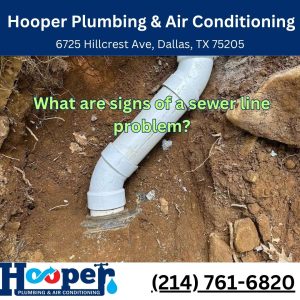
The signs of a sewer line problem often include slow drains, gurgling noises, sewage odors, or unexpected wet spots in the yard, and these symptoms are important for homeowners to recognize early. Sewer line issues tend to worsen over time, and what begins as a minor inconvenience can quickly lead to property damage or unhealthy living conditions. Homeowners in Texas know how shifting soil, older plumbing materials, and tree growth can influence underground pipes, which makes understanding the warning signs even more important. By learning what to watch for, you can respond sooner and protect your home from larger plumbing complications.
Why Recognizing Sewer Line Problems Early Matters
Avoiding Costly Repairs
Early detection reduces the chances of extensive pipe failure. A small blockage or hairline crack can often be fixed with minimal disruption when handled promptly. Waiting too long allows these problems to expand and may result in more invasive work.Preventing Property Damage
A failing sewer line can cause wastewater to back up inside the home or saturate the yard. When this happens, floors, drywall, landscaping, and concrete surfaces may suffer damage that could take significant time and effort to restore.Protecting Your Family’s Health
Sewage exposure can introduce bacteria and unpleasant odors into your living environment. Identifying sewer line concerns early helps keep your home sanitary and your family safe.Common Warning Signs of a Sewer Line Problem
Frequent Drain Clogs or Slow Drains
When a Single Drain Blockage Is Not the Issue
If only one drain is slow, the problem is usually localized. However, when multiple fixtures drain slowly at the same time, the issue often originates in the main sewer line rather than individual pipes.Home wide Drainage Slowdown
Widespread slow drainage is a strong indicator of a deeper obstruction. Texas homes built on clay soil may also experience pipe shifting that causes debris to collect more easily.Gurgling Sounds From Drains or Toilets
What Gurgling Indicates
A gurgling sound means air is trapped in the sewer system. When wastewater cannot move freely through the pipe, air bubbles rise and escape through the nearest fixture, creating a bubbling or rumbling noise.Sewage Backups in Showers, Tubs, or Toilets
Why Backups Often Show Up in the Lowest Drains First
Sewage naturally seeks the lowest exit point. If a main sewer line becomes obstructed, wastewater will back up into ground level drains such as showers or bathtubs before affecting higher fixtures.Unpleasant Sewer Odors Around the Home
Indoor Odor Clues
Persistent foul smells near sinks, floor drains, or basements indicate that the sewer line may be compromised. A working sewer system should keep odors sealed away.Outdoor Odor Clues
Outdoor sewer smells, especially near the yard or driveway, can signal a leak underground. This may be due to cracks, tree root intrusion, or deteriorated pipe sections.Wet or Extra Green Patches in the Yard
Why Sewage Acts as Fertilizer
Wastewater contains organic material that can cause patches of grass to appear unusually healthy or damp. If these bright green patches appear without recent rain or irrigation changes, a sewer line issue may be present.Mold, Mildew, or Excess Humidity Indoors
Moisture from a leaking sewer line can lead to mold growth on walls or floors. This often develops slowly and can be difficult to identify until there is noticeable staining or musty odor.Cracks in the Foundation or Driveway
Underground leaks can soften the soil supporting a home foundation. Over time, sections of concrete may shift or crack due to soil movement caused by leaking wastewater.Sudden Pest Problems
Rodents and Insects Entering Through Broken Sewer Lines
Damaged sewer pipes create openings for pests. Rodents and insects often travel through sewer systems and may enter the home if they find access through a broken line.| Common Sign | What It May Indicate |
|---|---|
| Slow draining fixtures | Main sewer line obstruction |
| Gurgling noises | Air trapped due to restricted flow |
| Sewage odors | Leak or broken pipe section |
| Wet spots in yard | Saturated soil from leaking wastewater |
| Pest activity | Openings in damaged sewer pipes |
