

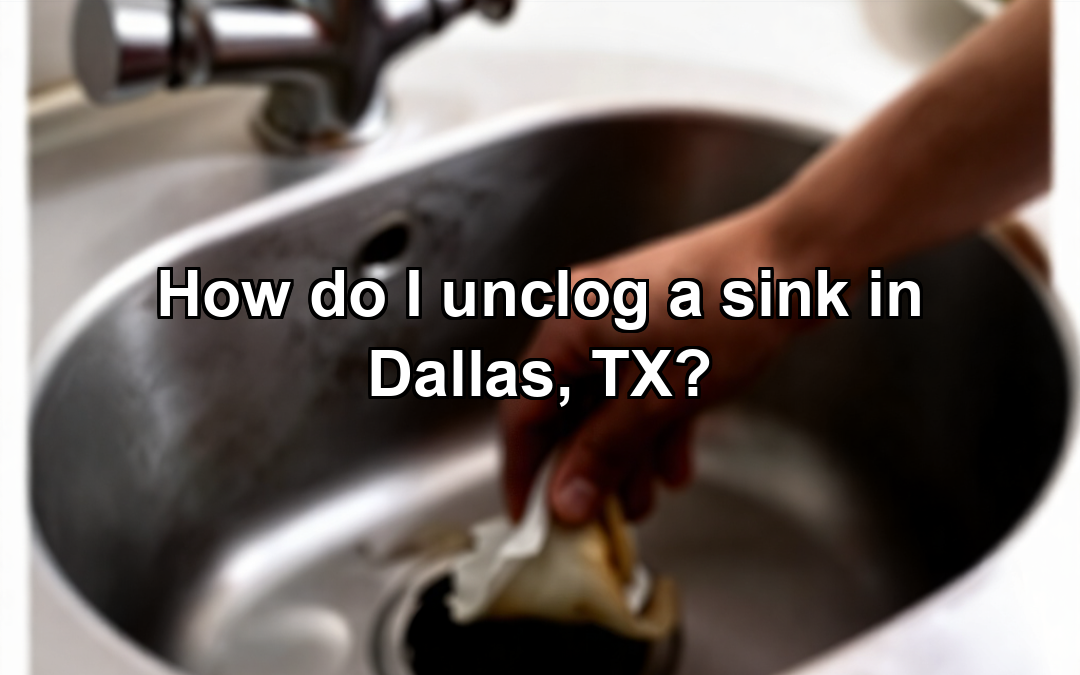
Unclogging a sink can start with removing visible debris from the drain opening, but first disconnect power to any garbage disposal and use gloves and tongs rather than your hands. If no chemical drain cleaner is present, try a cup plunger; do not open the P-trap if chemical cleaner may be in the sink. A plunger moves standing water against a clog and may dislodge some soft blockages involving food debris or hair, but results depend on the clog's location and composition. A P-trap, the curved pipe under the sink basin, can collect solid debris and is one possible location for a kitchen or bathroom sink clog. When plunging and cleaning the trap do not restore flow, the blockage may be deeper in the branch or shared drain line, and further diagnosis may be needed before an appropriate clearing method is selected.
What is the step-by-step process to unclog a sink?
A cup plunger works on sinks because its flat rubber cup seals over a flat drain surface, unlike the flanged plunger used for toilets. For a double-basin kitchen sink, the second drain must be sealed with a wet rag or stopper so the plunger builds pressure instead of pushing water sideways. If no chemical drain cleaner has been used, the P-trap may be checked after plunging fails; wear gloves and eye protection, place a bucket under the trap, and loosen the slip nuts carefully. If chemical cleaner may be present or the fittings are corroded or damaged, do not remove the trap yourself.
If no chemical drain cleaner has been used, a hand auger may be used according to its manufacturer's instructions; wear eye and hand protection, keep fingers away from the moving cable, and stop rather than forcing the cable if it binds or the pipe condition is uncertain. A clog that returns within days of being cleared can result from grease buildup, incomplete clearing, a lodged object, a pipe defect or a blockage elsewhere in the system, so the cause should be diagnosed before another clearing method is selected. If repeated clearing is needed, reviewing drain cleaning in Dallas helps identify whether the pipe itself is the problem. For stubborn or recurring blockages, professional drain cleaning in Dallas uses equipment that reaches farther than household tools.
Should you use chemical drain cleaner or a plunger?
A plunger or drain auger may clear a blockage mechanically, although misuse can damage fittings or pipes. Some caustic or acidic drain cleaners generate heat or react with pipe materials and may soften PVC or corrode metal, especially when misused or left standing. Chemical cleaner may pool above a complete blockage, prolonging contact with nearby pipe walls and fittings. Avoid pouring boiling water into a clogged sink because it can cause serious scalds and may soften PVC or damage heat-sensitive joints and seals.
Baking soda and vinegar are often suggested as a home remedy, but the reaction produces mostly carbon dioxide gas and water, which does little against a solid clog; the real question of whether plumbing repair in Dallas comes down to the clog type. The following table compares common approaches.
| Method | What it works on and its risk |
|---|---|
| Cup plunger | May clear some soft food and hair clogs near the drain; forceful use can stress loose or deteriorated fittings |
| P-trap removal | Clears solid debris caught in the trap bend; requires a bucket and basic tools |
| Hand auger | Reaches clogs in the branch line past the trap; can scratch finished fixtures |
| Chemical cleaner | Dissolves some organic clogs; can soften PVC and corrode metal pipe if it sits |
| Boiling water | May loosen some grease, but can cause scalds and damage heat-sensitive piping or seals; do not use it as a drain-clearing method |
What warning signs mean a sink clog needs a plumber?
When more than one fixture is affected, the problem may be in a shared branch drain or the main line rather than at one fixture. Gurgling can result from a partial blockage or a venting problem, while water backing up into another drain warrants prompt professional diagnosis. Recurring clogs, persistent drain odors and slow drainage across several fixtures can also indicate that the cause needs further inspection
. Some older Dallas homes may have cast-iron drain lines, which can develop internal corrosion or deposits that restrict flow and contribute to recurring clogs. Pipe material and condition are factors a plumber can evaluate in an older home.
How do Dallas conditions affect sink drains?
Where Dallas-area water is hard, dissolved minerals can contribute to deposits that may combine with soap residue, grease or debris inside some drains. Grease poured down a kitchen sink can cool and solidify in drain piping, so it should be collected and discarded rather than poured into the drain. A gas water heater or gas line should never be disturbed while working under a sink. If you smell gas, stop work, do not use flames or electrical switches, leave the area, and contact the gas utility or emergency services from a safe location; call Hooper Plumbing & Air Conditioning Dallas to inspect and repair the gas line because a gas leak can cause an explosion or carbon monoxide exposure.
A sink that drains slowly rather than fully stopping often has a partial clog that can be cleared before it becomes a full backup. Understanding why a sink drains slowly helps you catch the problem early. When household clearing does not restore flow, scheduling plumbing repair in Dallas prevents a slow drain from turning into a standing-water backup.
How a sink clog is cleared depends on the fixture type, the pipe material, how deep the blockage sits, and whether more than one drain is affected. An on-site diagnosis determines whether the clog is in the trap, the branch line, or the main sewer, and which clearing method fits the pipe without damaging it. Hooper Plumbing & Air Conditioning evaluates these factors before selecting a clearing method.